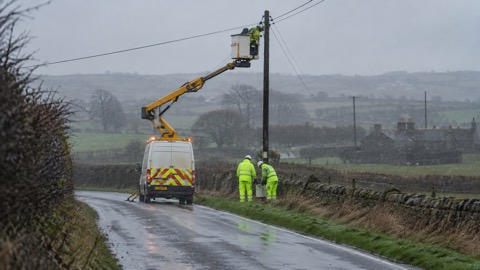
The four UK Chief Medical Officers (CMOs), acting as independent health advisers, published public health broadcast scripts on 16 December 2025 for use in the very unlikely scenario of a national power outage, which the Department of Health and Social Care describes as "a total power outage affecting the whole of Great Britain"1. The department said the CMOs "have published the public health advice that the public would be given in this scenario"1.
A national power outage is listed in the National Risk Register as "failure of the national electricity transmission system (NETS)"1. The publication states that although such an outage is unlikely, "if it did happen it would result in everyone in the country (except those with backup generators) losing their mains electricity supply instantaneously and possibly without warning", and that it "could also result in the loss of" mobile and internet telecommunications, water, sewage removal and treatment, fuel, gas and the ability to make electronic payments1.
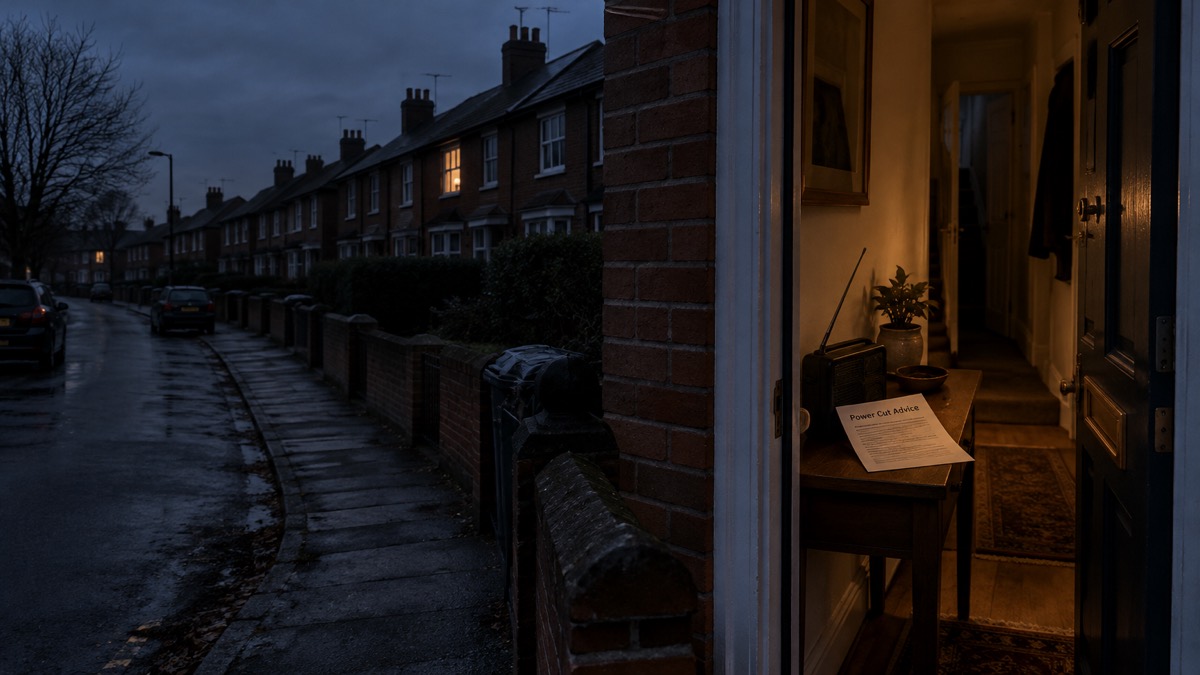
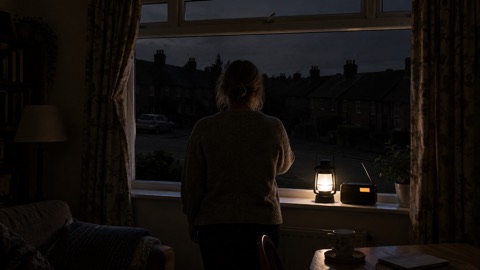
Because phone, internet and television services would be disrupted, the publication says emergency communications to the public "would be limited to radio (BBC Radio 2 and Radio 4), which is the most power resilient form of communication", so that "anyone with access to a battery-powered, wind-up or car radio (while the battery lasts) would be able to access the advice"1. The scripts cover water and sanitation, food and nutrition, and keeping warm or cool in extreme weather; for the first two topics there is a shorter version for the first day of the emergency and a more detailed version for the following days1.
The publication states plainly that the scripts are not government policy:
"These are not government policy - they been developed by the 4 UK CMOs as independent health advisers, with valuable input from the UK Health Security Agency (UKHSA) and collaboration across the 4 nations and their respective public health agencies."
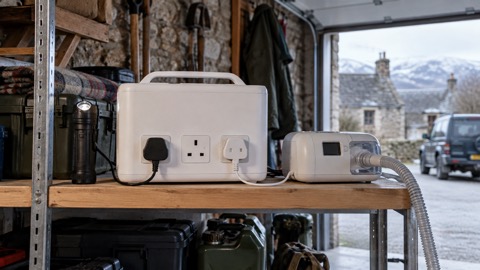
The cold weather script is marked for use when the temperature reaches −2 degrees, and the hot weather script for when it reaches 38°C or higher1. The cold script names babies, young children, pregnant women, older people and people who need care as at particular risk, advises wearing several thin layers, keeping feet raised while sitting and stretching at least every hour, and lists the signs of hypothermia, including in babies1. It warns: "Do not use camping stoves and barbecues indoors as there is a risk of carbon monoxide poisoning, which can kill", and says generators should be placed outdoors at least 6 metres or 20 feet away with the exhaust facing away from windows or doors1. The hot script advises drinking at least 2 litres of liquid per day, approximately 8 cups, and describes the symptoms of heat exhaustion and heatstroke1. A further short script covers handwashing after contact with flood water or sewage1.
Why it matters for households
The scripts set out what official health advice would sound like if mains electricity, phone and internet services were lost across Great Britain at once. They indicate that households would depend on a battery-powered, wind-up or car radio for public health messages, broadcast on BBC Radio 2 and Radio 41. The advice identifies babies, young children, pregnant women, older people and people who need care as at particular risk in both cold and hot conditions, and asks people to look out for neighbours, friends and family who may be struggling1. It also sets out the carbon monoxide risks of camping stoves, barbecues and generators used indoors, and the safe placement of generators outdoors1. The publication points readers to the government Prepare website for practical advice on preparing for a power cut, whether short lived or on a national scale1. The site's guide to a nationwide blackout sets out how Britain would respond, and the power cuts hub covers shorter interruptions.
What happens next
No date has been given for any broadcast or exercise using the scripts. The publication describes the scenario as very unlikely and part of routine resilience and contingency planning1.
 A Nationwide Blackout