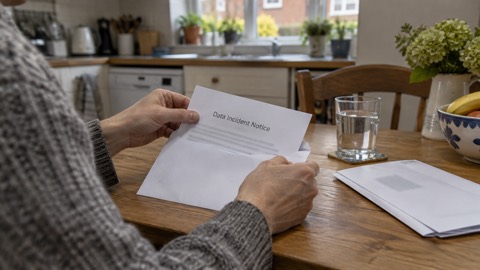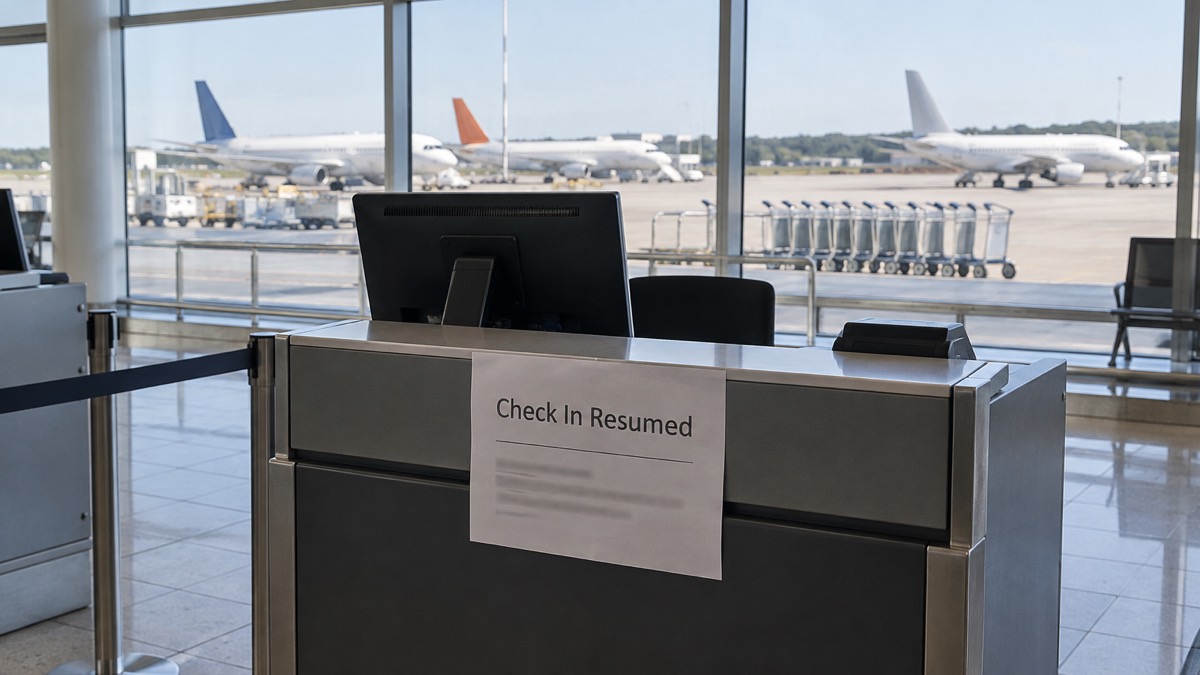
A rogue update to antivirus software caused aircraft to be grounded, bank transactions to be frozen and hospitals to cancel procedures, according to an account of the incident published in The Guardian1. The disruption is referred to as the CrowdStrike debacle "last summer", placing it in the summer before the article's publication on 10 December 20241.
The column, by Gaby Hinsliff, uses the episode to illustrate how dependent daily life has become on digital systems and how quickly a single fault can reach several sectors at once1. It reports that the same period saw other infrastructure failures: undersea cables supplying Shetland with internet were "mysteriously damaged"1, and Storm Darragh brought down power lines in rural Oxfordshire, where the author's household lost light, heat and connections to banking apps and email1.
"a rogue update to antivirus software led to planes being grounded, bank transactions frozen and hospitals cancelling procedures"
The article gives no figures for the number of flights affected, the value of transactions interrupted or the number of hospital procedures cancelled in the CrowdStrike incident, and no cause beyond the description of a rogue antivirus update has been reported here1. On Storm Darragh, it states that as of Monday morning 100,000 households had gone two nights and counting without power1. It also cites the Climate Change Committee's chief executive, Emma Pinchbeck, warning that Britain is "nowhere near ready" for the chaos shifting weather patterns could bring, and the government's climate risk assessment describing "cascading failures" in which one failing piece of infrastructure affects the next, such as a power cut affecting water treatment and knocking out fresh water supplies for days, as happened in East Sussex during Storm Eunice1.
Why it matters for households
The account sets out how a software fault or a power cut can remove several everyday services at once. During the Oxfordshire outage the author reports that mobile signal worked only at the end of a rural lane when boosted by a wifi hub, 4G was "wildly patchy" and even a cordless landline died without power1. The article notes that Finland, Denmark, Norway and Sweden have issued advice to citizens on stockpiling enough tinned food, water and essential medicines to outlast a three-day emergency, and that UK government advice in 2023 was to get a battery-powered radio and a stash of torches1. It records the author's own change of view on that advice after the storm1. Households wanting to understand the role of security software can read the guide to antivirus software and the wider cyber-attacks section.
What happens next
No further steps are reported. The article does not say what follow-up action, review or change to official guidance followed either the CrowdStrike incident or Storm Darragh1.
 Antivirus Software