Snugpak is a British outdoor kit maker whose range covers several of the things a household is told to keep ready for an emergency: something warm to sleep in, something warm to wear, a shelter, and a bag that keeps it all dry. If you have arrived here after a power cut, a flood warning or a look at the government's Be Ready advice, the short answer is that the useful parts of the range are the insulated clothing and sleeping bags, the shelters and the waterproof bags, and that each is described by the maker with figures you can check before you choose.
Official advice is clear about why warmth matters. Homes can become cold very quickly when the heating goes off, so households are told to keep blankets, sleeping bags and warm clothing ready1. The same advice appears in the government's household emergency plan, which lists blankets, sleeping bags and warm clothing among the things to keep2. In a power cut, the guidance is to keep warm with blankets and layered clothing and to shut curtains and doors of unused rooms to keep the heat in3.
This page sets out what Snugpak makes for each of those jobs, what the maker's own figures say about size, weight and warmth, how to keep the kit dry and ready between emergencies, and where to go for support. It does not rank the products or compare them with other makers.
What Snugpak makes for UK households
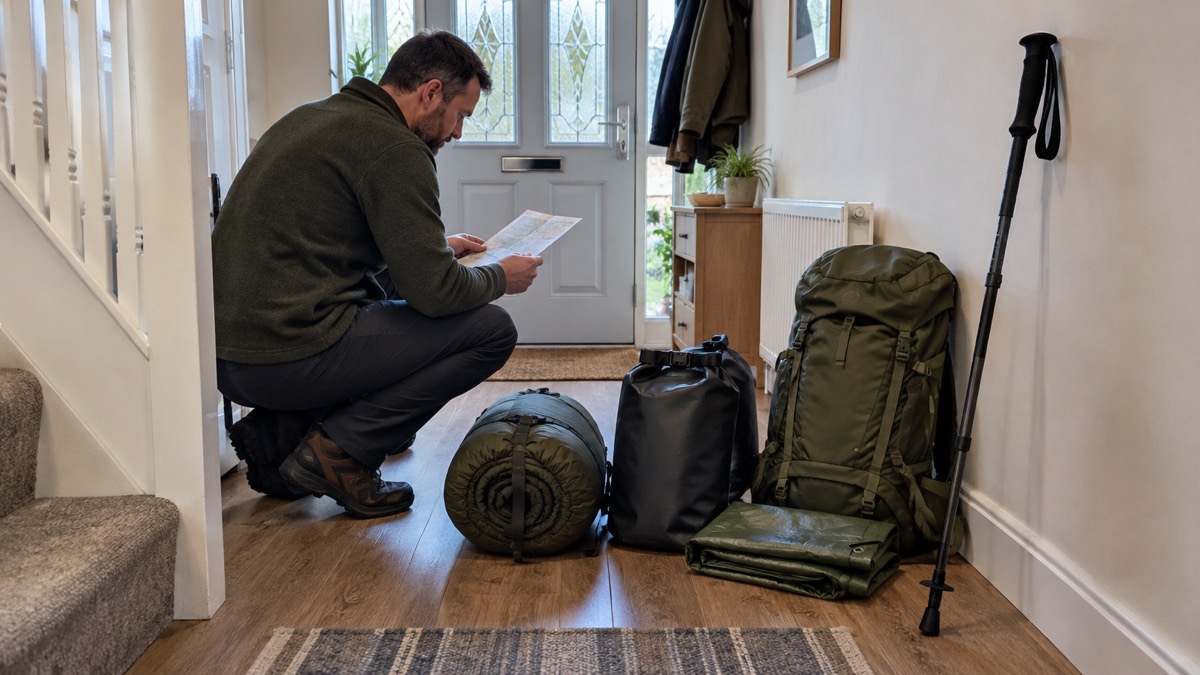
The range divides into four jobs that matter to a household preparing for disruption. The first is warmth: insulated jackets and sleeping bags, which do the work of a duvet and a coat when the heating is off. The second is shelter: a tarp, a bivvy bag and a tent, which matter if you have to leave home or need to sleep somewhere other than a bed. The third is keeping things dry: waterproof bags that hold clothing, documents or a sleeping bag inside a rucksack or a grab bag. The fourth is carrying it all: the bags themselves.
Where the kit is made varies by product, and the maker states it on each page. The Glacier 9 WGTE jacket is listed as made in the UK5. The All Weather Shelter G2 WGTE, the Bivvi Bag WGTE and the Bunker IX WGTE tent are listed as made in China6, and the Dri-Sak WGTE as made in Taiwan7. If country of manufacture matters to you, check the product page for the item you are considering.
The rest of this page takes each kit type in turn, with the maker's figures, and links to the household guide for that subject so you can see how the kit fits into a wider plan.
Sleeping bags and insulated clothing: staying warm without heating
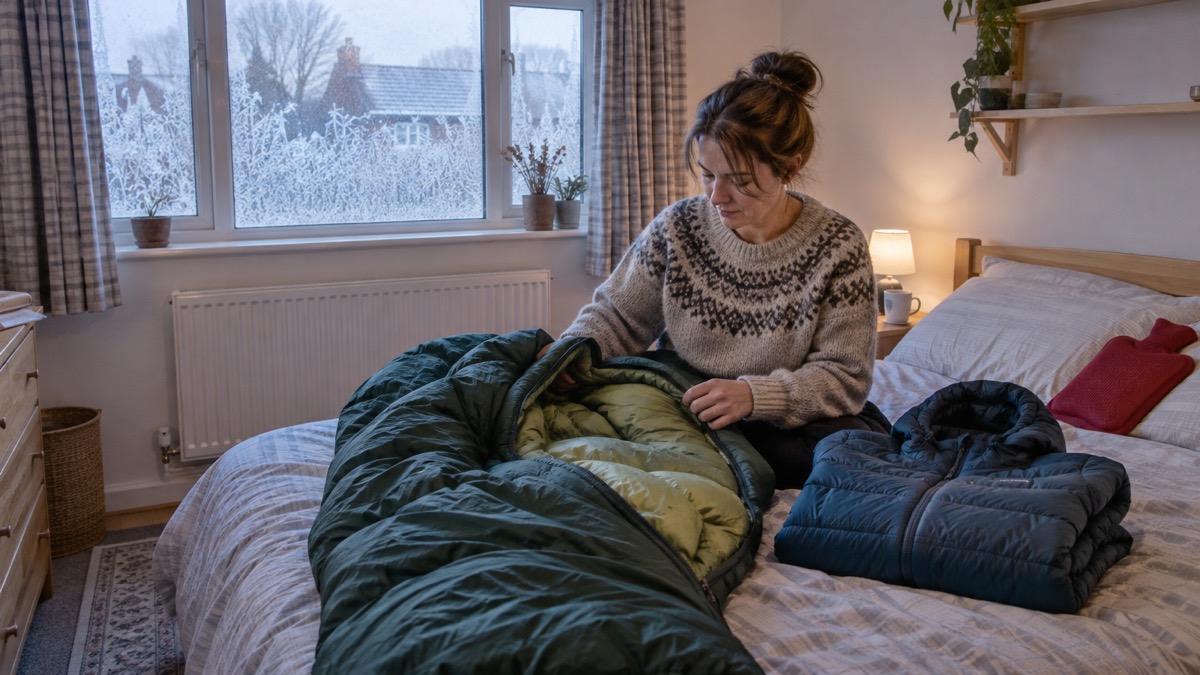
The core of the range for a household is the insulated clothing and the sleeping bags. The Glacier 9 WGTE is described by the maker as a UK made fitted insulated jacket with an insulated hood5. It has a two-way YKK front zip, concealed side pockets with YKK zips and an internal chest pocket with a YKK zip, and an elasticated drawcord-adjustable neck and hem that the maker says helps trap warm air and aid insulation5. The maker describes the fabric as windproof, breathable and water repellent5. For a household, that is a jacket that works as an extra layer indoors when the heating fails as well as outdoors.
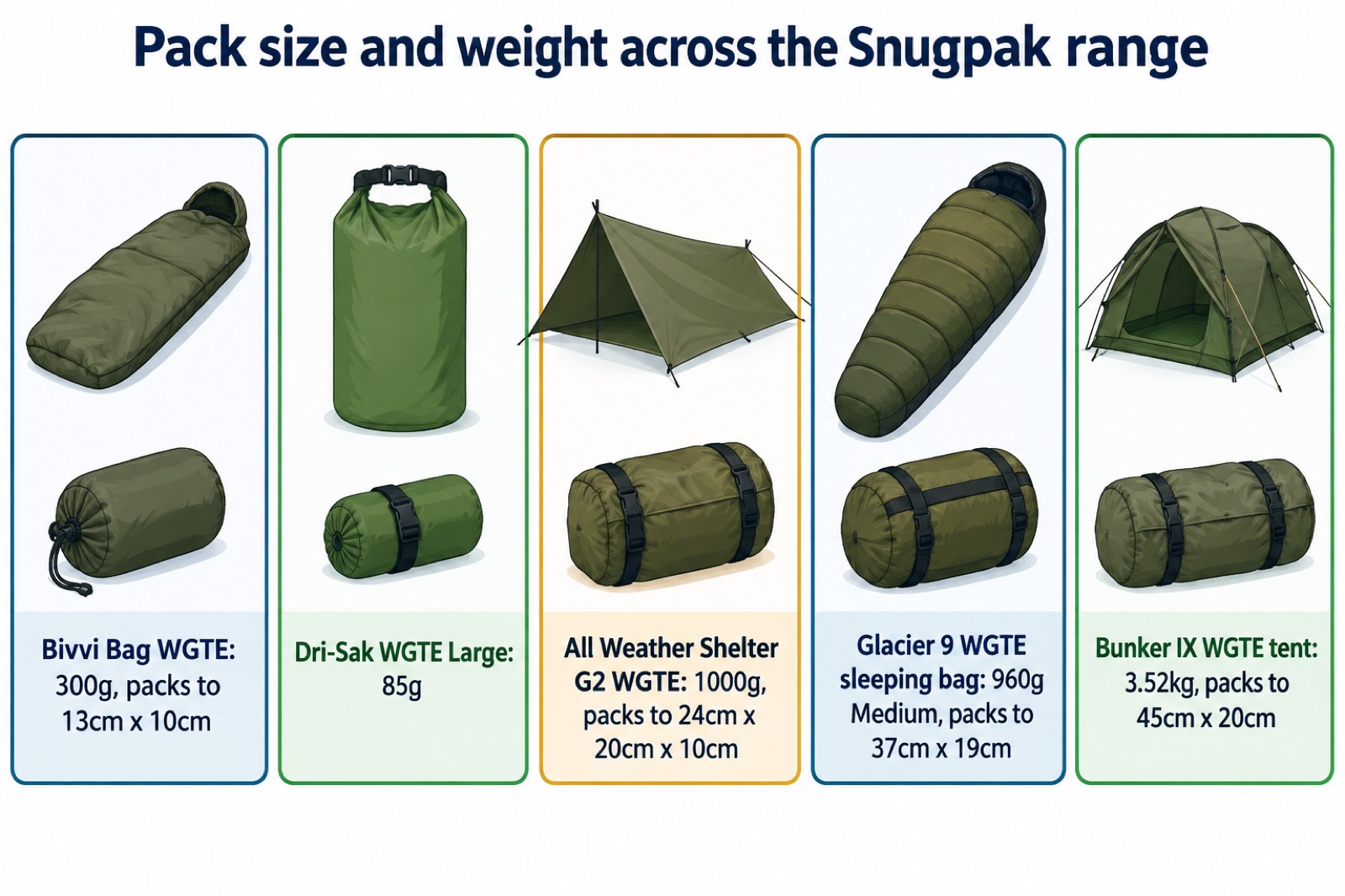
The sleeping bag side of the range is where the figures matter most. The Glacier 9 WGTE sleeping bag is rated by the maker at -10°C comfort and -15°C low, weighs 960g in Medium, packs to 37cm x 19cm and is supplied with a stuff sack5. Those figures let you judge whether it suits a cold bedroom in winter or a night in a car.
Official advice supports having this kit to hand. The Be Ready household emergency plan lists blankets, sleeping bags and warm clothing among the things to keep2. Staffordshire Council advises layering up with warm clothing and using lap blankets when sitting for long periods4, and the NHS in the West Midlands advises wrapping up warm in several layers, a hat, gloves and a scarf, and keeping dry to prevent loss of body heat10. A sleeping bag does the same job as a duvet when the heating is off, and an insulated jacket does the same job as a coat indoors.
Tents, tarps and bivvy shelters
The shelter range covers three levels of protection. The Bivvi Bag WGTE is a waterproof sleeping bag outer shell made from Paratex Dry, a 100% nylon fabric with a 5000mm hydrostatic head and taped seams9. The maker says it can be used on its own or as a protective cover for your sleeping bag, and describes it as the bare minimum for wild camping in summer or for use with a sleeping system and air mat all year round9. It comes in Standard and Extra Large sizes, which the maker says are compatible with most sleeping bags, weighs 300g in Standard and 320g in Extra Long, packs to 13cm x 10cm in Standard and is supplied with a stuff sack9. The maker lists an X-Small replacement stuff sack for it9.
The All Weather Shelter G2 WGTE is a 9.3m² rhombus shaped tarp shelter, which the maker says can be deployed as a diamond-shaped tarp or as a fly, tarp, lean-to shelter, as well as other freestanding shelter designs6. It is 100% waterproof with taped seams and a 2000m hydrostatic head, weighs 1000g, packs to 24cm x 20cm x 10cm, comes with a stuff sack and has reinforced attachment points throughout6. The maker lists bushcraft, wild camping, group activities, military and cadet use among its intended uses, and describes the colour as light foliage green, suitable for use in the British countryside6.
The Bunker IX WGTE is a three-person dome basecamp and expedition tent with a sleeping space 245cm long and 205cm wide8. It weighs 3.52kg, packs to 45cm x 20cm, has two mesh vents and six mesh internal pockets with a head-end hanging loop, and the maker says its design allows the components to be split between several people to distribute weight8. It is supplied with a compression storage bag and a basic repair kit, though no glue is included8.
For a household, the choice is about what you are preparing for. A bivvy bag is small enough to live in a grab bag and adds a waterproof layer to a sleeping bag. A tarp gives a dry area to sit or cook under outside. A tent is the option if you might have to leave home and sleep elsewhere. See Emergency Kit for how shelter fits into a household plan.
Rucksacks and dry bags for a grab bag
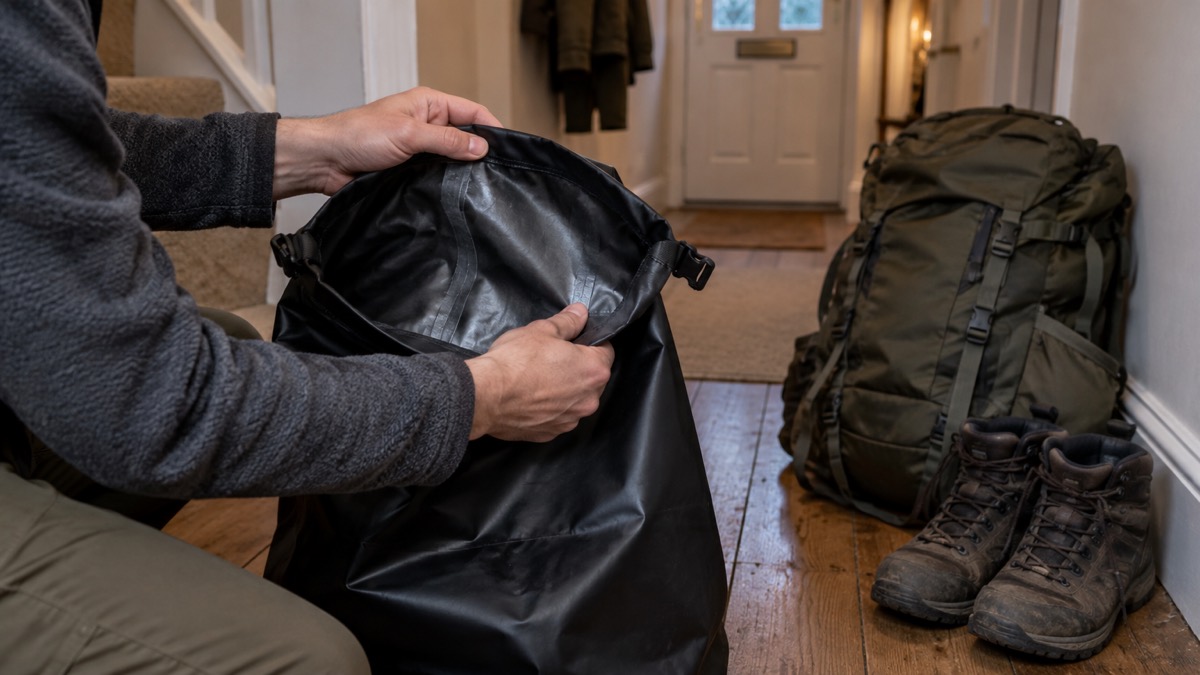
The Dri-Sak WGTE is a heavy duty waterproof storage bag with a roll and clip seal, made from lightweight nylon fabric with a reinforced hem and buckle7. The maker describes it as 100% waterproof, dustproof and sandproof, with durable non-freeze plastic buckles to secure the roll-down hem7. It comes in three colours and five sizes, and the maker suggests a job for each:
| Size | Maker's suggested use |
|---|---|
| 4L Small | Individual items, venture smocks and lightweight sleeping bags7 |
| 8L Medium | Grouped items, clothing and 2 to 3 season sleeping bags7 |
| 13L Large | A small rucksack liner to segregate equipment, or an entire sleeping system7 |
| 20L X-Large | Bulkier items and complete expedition packs including 4 season sleeping systems7 |
| 35L XX-Large | To segregate expedition rucksacks over 40L and create an enclosed waterproof pack7 |
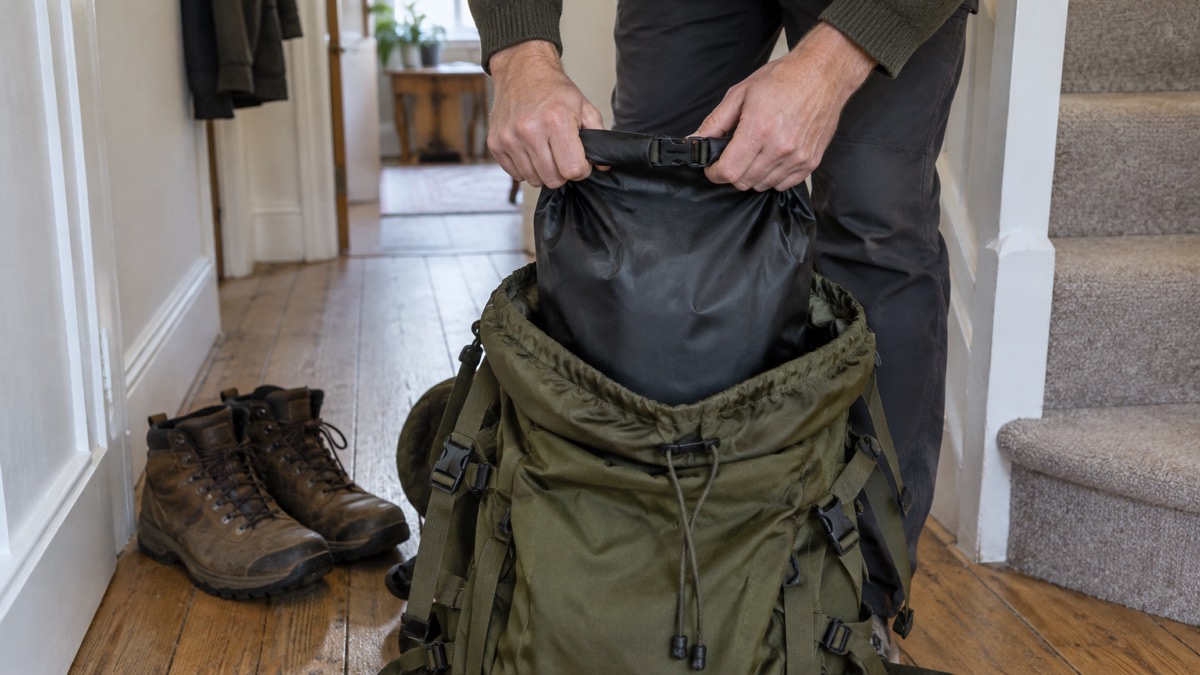
The Large 13L weighs 85g7. The maker also notes that in an emergency the design can be used to carry emergency water supplies as an impromptu bladder7.
That matters because official grab bag advice is consistent about keeping things dry. Central Bedfordshire Council says a grab bag should be kept in either a box or waterproof bag that can be accessed quickly11. Ready Scotland suggests keeping some of the kit in a waterproof bag in case you need to leave home without notice, for example if your home is at risk of flooding12. Basingstoke and Deane advises a wind-up torch or torch and spare batteries, bottled water, non-perishable food, spare glasses or hearing aid batteries, spare keys, chargers, a written list of key contacts, a first aid kit, spare clothes, blankets, toiletries, hand sanitiser, baby formula and nappies, children's entertainment and a wind-up or battery radio13. A dry bag is how you keep the clothing and blankets dry inside that bag.
Choosing by temperature rating, pack size and weight
The maker's figures let you compare the range on the things that decide whether kit is useful to you: how warm it is, how small it packs and how much it weighs. The table below sets out the figures the maker gives for each product.
| Product | Key figure | Pack size | Weight |
|---|---|---|---|
| Glacier 9 WGTE sleeping bag | -10°C comfort, -15°C low5 | Not stated | 960g Medium5 |
| Bivvi Bag WGTE | 5000mm hydrostatic head9 | 13cm x 10cm Standard9 | 300g Standard, 320g Extra Long9 |
| All Weather Shelter G2 WGTE | 9.3m² tarp, 2000mm hydrostatic head6 | 24cm x 20cm x 10cm6 | 1000g6 |
| Bunker IX WGTE tent | Three-person, 245cm x 205cm sleeping space8 | 45cm x 20cm8 | 3.52kg, 2.8kg trail weight8 |
| Dri-Sak WGTE | 100% waterproof roll and clip seal7 | Five sizes, 4L to 35L7 | 85g Large 13L7 |
Read the temperature rating first if warmth is the job. The Glacier 9 WGTE's -10°C comfort figure is the maker's own rating, and it tells you the bag is built for cold conditions rather than summer camping5. Read pack size and weight next if the kit has to live in a cupboard or a grab bag: the bivvy bag at 300g and the tarp at 1000g are the light options, while the tent at 3.52kg is the one you would only carry if you expected to sleep out9.
Keeping insulated kit dry, clean and ready to use
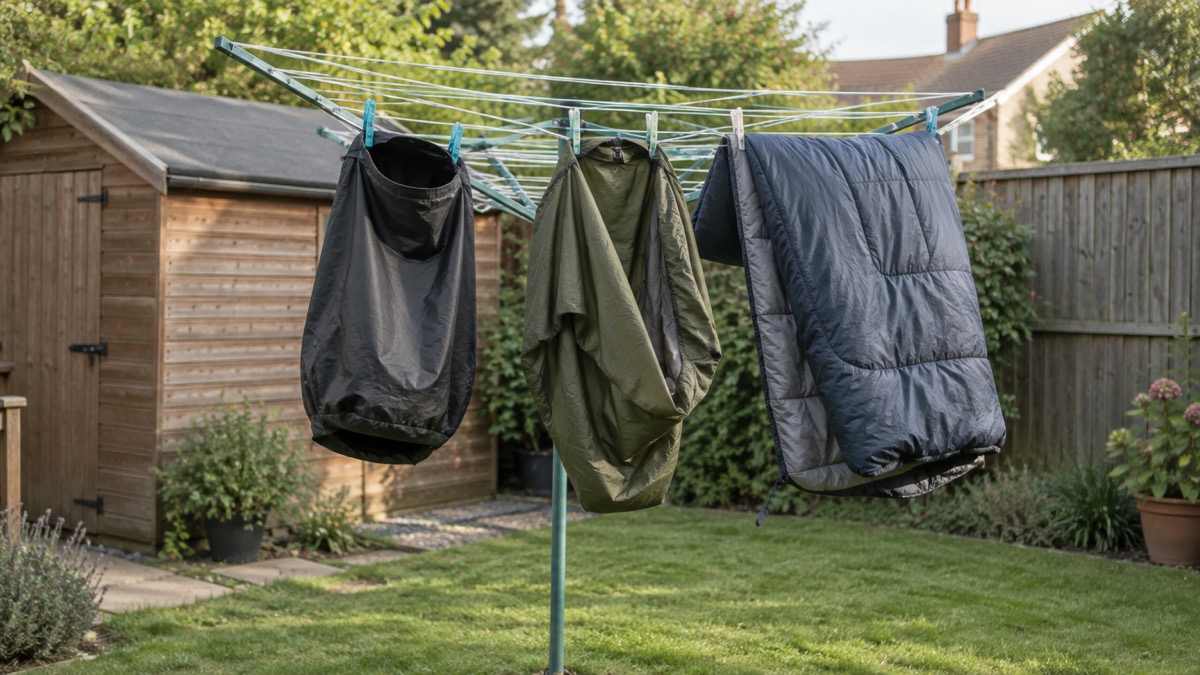
Insulated kit only works if it is dry. The Dri-Sak WGTE is the maker's answer to that: to seal it, expel as much air as possible to reduce the overall pack size, then roll down the reinforced hem at least three times before closing with the buckle7. The maker warns that it is not designed to be submerged for extended periods of time7, so treat it as protection against rain, splashes and a wet rucksack rather than a container to drop in a river.
The shelters have their own waterproofing figures. The Bivvi Bag WGTE has a 5000mm hydrostatic head with taped seams9, and the All Weather Shelter G2 WGTE has a 2000mm hydrostatic head, which the maker says will keep you dry in wet weather6. The Bunker IX WGTE tent has waterproof taped seams8. After use, dry these items before packing them away, and check the seams and coatings for damage.
Storing Snugpak kit between emergencies
Official advice on storing an emergency kit is consistent across the UK. Keep it in a safe place at home where you can reach it easily, and keep it in a waterproof bag17. Northern Ireland's guidance says it should be kept somewhere in the house where everyone can get to it if needed19. Dumfries and Galloway Council encourages the use of a waterproof container or bag20. Wiltshire Council lists spare clothing and blankets, especially during winter months, among kit contents21.
For Snugpak kit, that translates into a few habits. Keep sleeping bags and insulated jackets clean and dry, and store them where they will not be compressed under other kit for long periods. The maker supplies the Bunker IX WGTE with a compression storage bag and sells a Medium replacement compression stuff sack for the Glacier 9 WGTE8, so compression is part of normal packing, but the maker's pages here do not state a maximum compressed storage period. Keep the Dri-Sak rolled and buckled when not in use so it is ready to seal, and check the roll-down hem for wear.
A household kit should also include a sleeping bag or warm blanket for each person, with additional bedding considered during winter17. If you have pets, Medway Council advises storing the pet grab bag in an easy to reach place22, and sanitary items and toiletries belong in the main kit23. For the full list, see Emergency Kit.
Support and warranty
The maker's product pages give the specifications and the origin of each item, and are the place to check before you buy. For support, contact the maker or the retailer you bought from. The pages here do not set out a warranty period, so ask before you rely on one.
If you need repair work at home rather than on kit, your council may point you to an approved trader scheme. Staffordshire Council, for example, advises residents to use trusted traders listed on the Staffordshire and Stoke on Trent Trader Register24. For households that need extra help, gas network company SGN publishes information on its website about initiatives to support vulnerable members of communities to stay safe and warm25, and water companies run priority services for customers who need them. See Extra Help in an Emergency for how to register.
Safety notices and recalls
The maker's own safety notice for the Dri-Sak WGTE is to be careful with sharp edges or abrasive items that damage the inner face of the material when storing other equipment7. Check the inside of the bag for damage before relying on it to keep clothing or documents dry.
For warmth without flames, official advice points to blankets, layered clothing and lap blankets rather than open fires or candles4. If you use a wheat bag or similar heat pack, the fire and rescue service advises placing the bag on a non-combustible surface while cooling, for example a kitchen sink26. Never use candles for light during a power cut; see Emergency Lighting at Home for safer options.
Sources (27)
- Be Ready for Emergencies, UK Government, 2026
- Be Ready Household Emergency Plan, UK Government, 2026
- Loss of Essential Services, Greater Manchester Combined Authority, 2026
- Stay Warm and Safe, Staffordshire Council, 2026
- Glacier 9 WGTE, Snugpak, 2026
- All Weather Shelter G2 WGTE, Snugpak, 2026
- Dri-Sak WGTE, Snugpak, 2026
- Bunker IX WGTE, Snugpak, 2026
- Bivvi Bag WGTE, Snugpak, 2026
- Cold Weather Advice, West Midlands Ambulance Service NHS Foundation Trust, 2026
- Emergency Kits and Grab Bags, Central Bedfordshire Council, 2026
- Emergency Kit, Ready Scotland, 2026
- Emergency, Basingstoke and Deane Borough Council, 2026
- Flooding, Runnymede Borough Council, 2026
- Heating and Gas, Scottish Fire and Rescue Service, 2026
- Electrical Fire Safety, Greater Manchester Fire and Rescue Service, 2026
- Get Help and Advice in an Emergency, Lincolnshire County Council, 2026
- Emergency Kit Checklist, Carmarthenshire County Council, 2026
- Household Emergency Kit, nidirect, 2026
- Create a Household Emergency Lifesaving Plan, Dumfries and Galloway Council, 2026
- Planning for an Emergency Kit, Wiltshire Council, 2026
- Looking After Your Pets in an Emergency, Medway Council, 2026
- Preparing for an Emergency, Nottinghamshire County Council, 2026
- Maintaining Your Home, Staffordshire Council, 2026
- Priority Services Booklet, Scottish Water, 2020
- Wheat Bags, Greater Manchester Fire and Rescue Service, 2026
- Heated Wheat Bags, Cheshire Fire and Rescue Service, 2026